When trust in external security feels uncertain, people look for ways to monitor and protect their own spaces.
The question “why are home security cameras trending now?” continues to rise as people become more focused on personal safety, property protection, and peace of mind. Once limited to businesses or high-end systems, home security cameras are now affordable, easy to install, and widely marketed to everyday households.
This search often appears after local crime reports, package theft incidents, or neighborhood alerts.
Why This Question Keeps Trending
Crime awareness plays a significant role. Even when property crime rates fluctuate, increased visibility through social media and neighborhood apps makes incidents feel more immediate and closer. Each story reinforces the idea that security is a personal responsibility.
Technology improvements have also fueled adoption. Wireless cameras, smartphone alerts, cloud storage, and simple installation have lowered barriers that once made security systems intimidating or expensive.
Remote living patterns contribute as well. More deliveries, travel, and time away from home create situations in which remote monitoring feels valuable rather than excessive.
Explore Why Are Dash Cams Becoming So Popular? to see how people use cameras for everyday protection.
What People Expect Home Security Cameras to Do
Most buyers want deterrence. Visible cameras are believed to discourage theft or suspicious behavior, even if incidents never occur.
Documentation is another expectation. If something does happen, people want video evidence to share with law enforcement, insurance companies, or property managers.
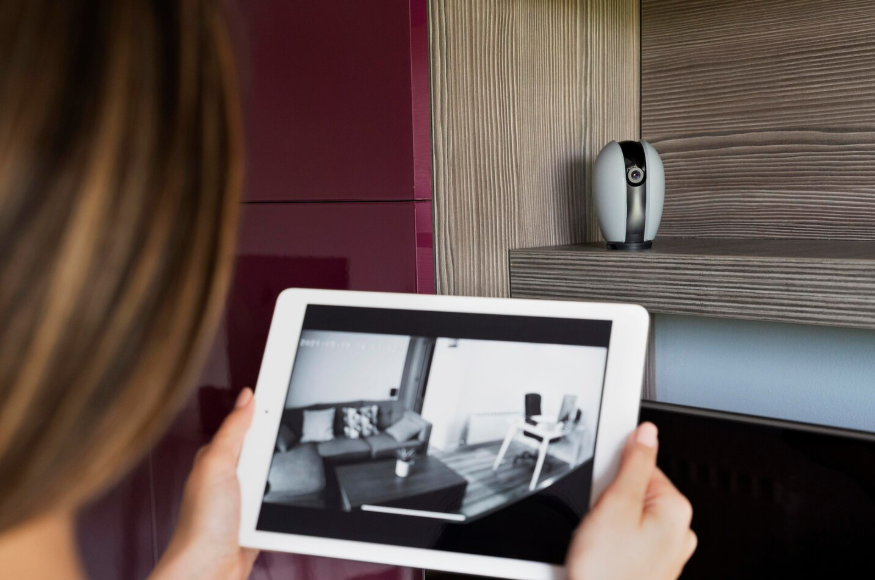
There’s also reassurance. Being able to check on a home, pets, or deliveries remotely provides a sense of control that many find calming.
Learn Why Are People Buying Smart Thermostats? to understand how smart tech offers more control.
When Home Security Cameras Make Sense
Home security cameras are handy for properties with frequent package deliveries, shared entry points, or limited visibility. They’re also valuable for people who travel often or live alone.
Renters benefit as well. Many modern cameras don’t require permanent installation, making them accessible to people without long-term housing control.
For families, cameras can add peace of mind when children are home alone or when monitoring outdoor activity.
Read Why Are Robot Vacuums Still Trending? to see how automation reshapes modern homes.
When They May Not Be Necessary
Despite growing popularity, cameras aren’t essential for every household. People in low-traffic, low-risk areas may see limited practical benefit.
Privacy concerns also matter. Cameras capture data, and users must be comfortable managing footage, accounts, and potential vulnerabilities.
There’s also the misconception that cameras prevent all crime. They reduce risk but don’t eliminate it, and unrealistic expectations can lead to disappointment.
What People Are Really Responding To
At a deeper level, this search reflects a desire for visibility. When people feel uncertain about what happens outside their doors, cameras offer clarity.
They also provide psychological reassurance. Even if rarely checked, knowing the system is there reduces anxiety.
The trend isn’t about fear alone; it’s about regaining a sense of agency.
Discover Why Are People Buying Solar Generators? to see how backup power supports home security.
How to Decide If Cameras Are Right for You
Before buying, identify what you want to monitor: entry points, packages, pets, or general activity. Choose a system that matches those needs without overcomplicating setup.
Consider data storage, privacy settings, and ongoing subscription costs. Simpler systems often lead to better long-term satisfaction.
The reason this question keeps trending is simple: people want affordable, accessible ways to protect what matters, and home security cameras now offer that option.