When drivers realize how easily disputes can arise, interest in dash cams grows quickly.
The question “Why are dash cams becoming so popular?” has surged as driving conditions, insurance concerns, and personal accountability have become more complicated. What was once a niche gadget for professional drivers is now appearing in everyday vehicles, signaling a shift in how people think about road protection.
This search often follows a close call, an accident story, or a viral video.
Why This Question Keeps Trending
Insurance uncertainty is a significant factor. Accidents often come down to conflicting stories, and drivers want evidence that protects them from false claims or costly disputes. Dash cams offer objective documentation that can clarify fault.
Traffic conditions have also worsened in many areas. Congestion, distracted driving, and aggressive behavior increase the likelihood of incidents, even for cautious drivers. Each frustrating commute reinforces the feeling that extra protection is necessary.
Viral dash cam footage fuels awareness. Clips shared online highlight both dangerous behavior and unexpected incidents, reminding viewers how unpredictable driving can be.
Explore Why Are Home Security Cameras Trending Now? to see how people are responding to uncertainty.
What People Hope Dash Cams Will Do
Most buyers want peace of mind. Knowing that events are recorded reduces anxiety about being blamed unfairly after an accident. That sense of security often matters more than the footage itself.
Dash cams are also seen as a deterrent. Some drivers believe that visible cameras may discourage aggressive behavior or fraud, such as staged accidents.
There’s also a practical benefit. Clear video can speed up insurance claims and reduce back-and-forth communication, saving time during stressful situations.
Check Why Are Pressure Cookers Popular Again? for another practical tool becoming viral.
When Dash Cams Make Sense
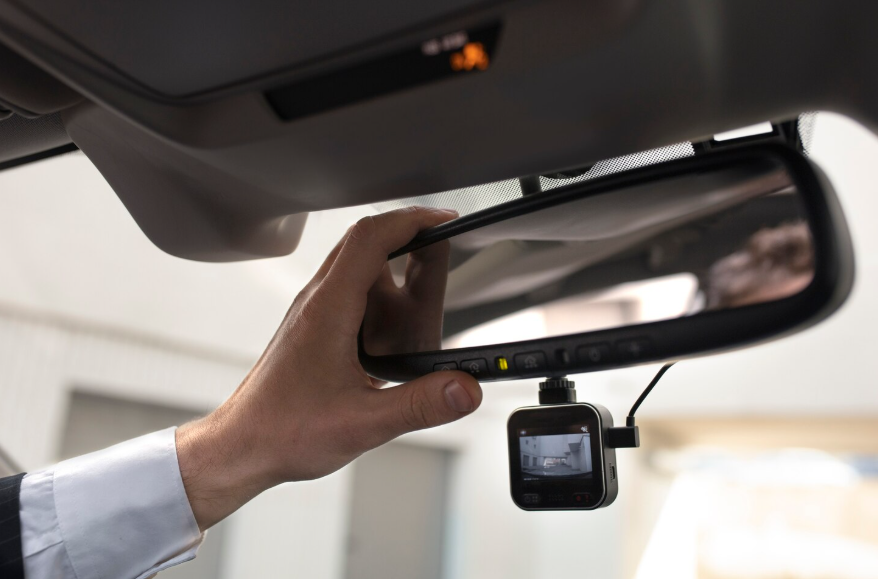
Installing dash cams is handy for people who drive frequently, commute in heavy traffic, or park in public areas. The more time spent on the road, the higher the likelihood of encountering incidents worth documenting.
They’re also valuable in regions with higher accident rates or insurance fraud concerns. In those environments, having visual evidence can significantly protect drivers.
For rideshare drivers or delivery workers, dash cams provide both professional protection and accountability, making them almost essential tools.
When They May Not Be Necessary
Despite growing popularity, dash cams aren’t mandatory for everyone. People who drive infrequently or in low-traffic areas may see limited benefit.
Privacy concerns also matter. Continuous recording raises questions about data storage, consent, and the security of footage. Some drivers are uncomfortable managing or safeguarding recorded data.
There’s also the misconception that a dash cam guarantees protection. Footage can be inconclusive, poorly angled, or unavailable if the camera malfunctions.
See Why Are Standing Desks Suddenly So Popular? for how everyday upgrades reflect priorities.
What People Are Really Responding To
At a deeper level, this search reflects declining trust. Drivers feel less confident that situations will be resolved fairly without proof. Dash cams help level the playing field.
They also offer control in an environment that feels increasingly chaotic. Recording turns uncertainty into documentation, which feels empowering.
The emotional appeal, reduced stress, and greater confidence drive repeated interest.
Read Why Are People Buying Smart Thermostats? to understand how technology restores a sense of control.
How to Decide If You Need a Dash Cam
Before buying, consider how often and where you drive. Look for features that matter most: video quality, night recording, storage options, and ease of use.
Think realistically about expectations. Dash cams don’t prevent accidents, but they can protect you when something goes wrong.
The reason this question keeps trending is simple: as roads feel more unpredictable, drivers want reliable ways to protect themselves beyond insurance alone.