Clean air is no longer assumed. It’s something many people feel they must actively manage, especially when external conditions feel unpredictable.
The question “why are people buying air purifiers right now?” tends to spike during moments of heightened health awareness or environmental concern. Whether triggered by wildfire smoke, seasonal allergies, outbreaks of illness, or alarming news headlines, interest in indoor air quality rises quickly when people feel their breathing environment may be compromised.
This search reflects a broader shift in how people think about their homes.
Why This Search Keeps Surging
Environmental factors are a major driver. Wildfires, pollution alerts, and reports of poor air quality prompt immediate concern, even among people who had never considered air purifiers before. When outdoor air feels unsafe, attention turns indoors.
Seasonal health issues also play a role. Allergy seasons, flu spikes, and respiratory illnesses prompt people to seek ways to reduce airborne irritants. Air purifiers are marketed as simple, preventive solutions, making them an attractive option.
Media coverage amplifies these concerns. Headlines about air quality, health risks, or long-term exposure effects often trigger sudden surges in searches as people seek reassurance and practical action steps.
Check Why Are Home Security Cameras Trending Now? to see how people protect their homes.
What People Hope Air Purifiers Will Do
At a basic level, people want relief. They’re hoping air purifiers will reduce allergens, dust, smoke particles, and odors, making their living space more comfortable. For allergy sufferers, even minor improvements can feel significant.
There’s also a desire for protection. Many buyers view air purifiers as a defensive measure, and something that quietly works in the background to reduce health risks they can’t see or control directly.
For parents, caregivers, or people with respiratory sensitivities, the purchase feels proactive. It’s less about optimization and more about minimizing potential harm.
Explore Why Is Everyone Searching for Water Filters? to see how people manage health risks.
When Buying an Air Purifier Makes Sense
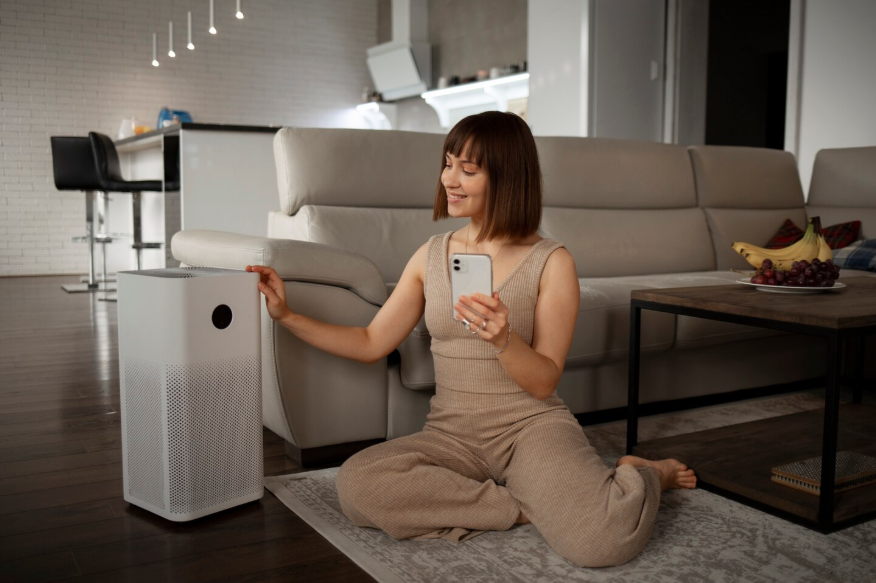
Air purifiers are most useful when specific problems exist. Poor outdoor air quality, persistent indoor allergens, pet dander, or lingering smoke odors are all situations where a quality purifier can make a noticeable difference.
They’re also valuable in tightly sealed homes where ventilation is limited. Modern energy-efficient homes can trap pollutants indoors, making filtration more critical.
For people with asthma or allergies, purifiers may help reduce triggers when used consistently and sized appropriately for the space.
See Why Are Heated Blankets Trending Again? to understand how comfort shapes buying.
When Expectations May Be Too High
Despite their popularity, air purifiers aren’t cure-alls. They don’t replace proper ventilation, cleaning, or addressing the source of pollutants. Buying one without understanding its limitations can lead to disappointment.
Room size and filter quality matter. A small unit in ample space, or a purifier without proper filtration, may deliver minimal benefit. Many people search after purchase because the results didn’t match expectations.
There’s also an ongoing cost to consider. Filters require replacement, and neglecting maintenance reduces effectiveness over time.
What People Are Really Responding To
At a deeper level, this search reflects a loss of trust in environmental stability. People are responding to uncertainty by controlling what they can, starting with the air in their homes.
Air purifiers symbolize peace of mind. Even when benefits are incremental, the act of doing something feels reassuring during periods of heightened concern.
That emotional motivation explains why interest spikes suddenly and repeatedly.
Check Why Are Blackout Curtains Trending? to see how environmental control drives home upgrades.
How to Decide If You Need One
Before buying, identify the specific issue you’re trying to solve. Smoke, allergens, odors, and general dust require different considerations. Matching the purifier to the problem matters more than buying the most expensive model.
Consider room size, filter type, and maintenance costs. Used correctly, air purifiers can improve air quality and comfort, but they work best as part of a broader approach to indoor air quality.
The reason this question keeps trending is simple: when people feel uncertain about the air they breathe, taking action feels necessary, even if that action is modest.