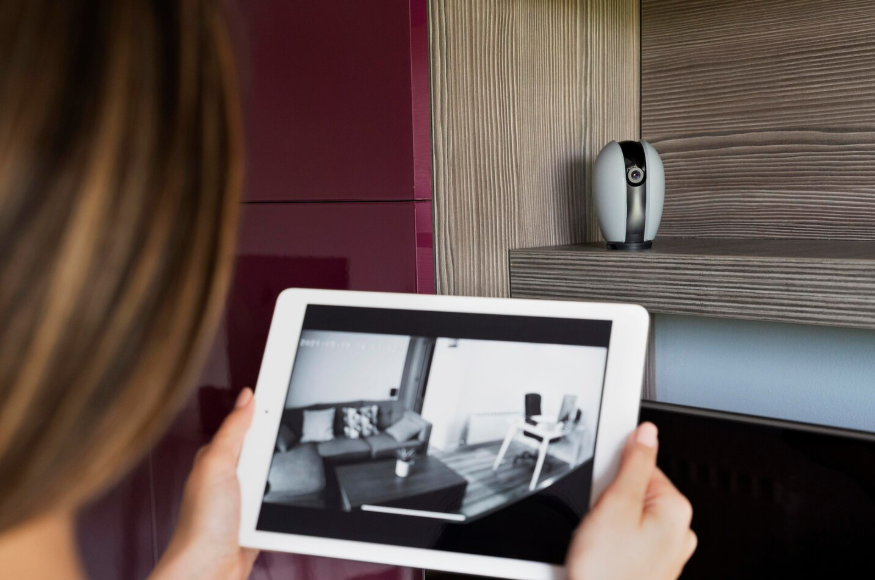
People want systems that adapt to their routines rather than requiring constant attention, especially as energy costs rise and monitoring becomes more rigorous.
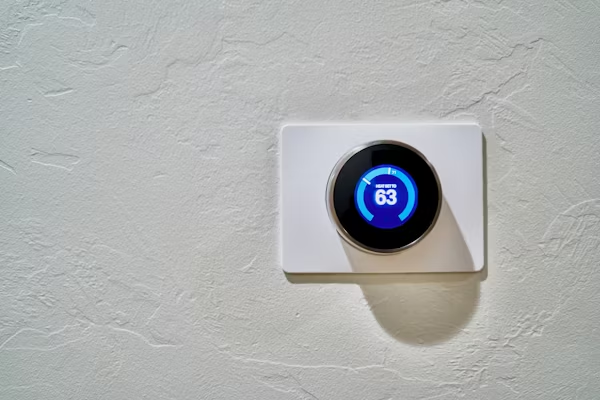
The question “why are people buying smart thermostats?” continues to trend as energy costs rise and homeowners look for ways to reduce monthly bills without sacrificing comfort. Heating and cooling are among the most significant household expenses, and smart thermostats promise efficiency through automation rather than constant manual adjustment.
This search reflects a growing desire for control.
Why This Question Keeps Trending
Rising utility bills are the most significant driver. As heating and cooling costs increase, even small efficiency gains feel worthwhile. Smart thermostats are marketed as a way to save money passively, which makes them appealing to cost-conscious households.
Remote and hybrid work have also changed energy use patterns. Homes are occupied more often during the day, making traditional thermostat schedules less effective. Smart thermostats adjust automatically, responding to presence and habits rather than fixed time blocks.
There’s also increased awareness. Utility companies, home improvement retailers, and energy-efficiency programs actively promote smart thermostats, often offering rebates that spark curiosity and search spikes.
Compare with Why Are Heated Blankets Trending Again? to see how comfort follows cost pressure.
What People Expect Smart Thermostats to Do
Most people expect lower energy bills. Smart thermostats promise to reduce waste by optimizing heating and cooling when rooms are unoccupied or when conditions change.
Convenience is another primary expectation. Being able to adjust temperature remotely, set schedules easily, or rely on automatic learning appeals to people who want fewer daily decisions.
Comfort matters too. Many buyers expect more consistent indoor temperatures and fewer extreme fluctuations compared to manual systems.
See Why Are People Buying Air Purifiers Right Now? for how anxiety reshapes home purchases.
When Smart Thermostats Make Sense
Smart thermostats are especially useful for households with predictable routines or frequent schedule changes. Learning algorithms can adapt to patterns over time, improving efficiency without constant input.
They’re also helpful in homes where heating and cooling costs are high. Even modest percentage savings can add up over a year.
For tech-comfortable users, smart thermostats integrate well with other connected devices, creating a more responsive home environment.
Explore Why Are Robot Vacuums Still Trending? to see how automation reduces daily effort at home.
When They May Not Be Worth It
Despite the benefits, smart thermostats aren’t ideal for every home. Older HVAC systems may not be compatible, limiting functionality or requiring professional installation.
They also require engagement. Some users never adjust settings or review usage data, reducing potential savings.
In households with minimal heating and cooling needs, the financial payoff may be too small to justify the upfront cost.
What People Are Really Responding To
At a deeper level, this search reflects anxiety about rising costs and energy dependence. People want tools that automatically manage expenses rather than requiring constant vigilance.
Smart thermostats symbolize efficiency without effort. That promise resonates strongly when budgets feel stretched.
There’s also an environmental dimension. Reducing energy use aligns with broader concerns about sustainability and responsible consumption.
Learn Why Are People Buying Solar Generators? to see how energy anxiety affects purchases.
How to Decide If a Smart Thermostat Is Right for You
Before buying, check compatibility with your HVAC system and consider how much control you want. The best smart thermostat is one you’ll actually use.
Look beyond marketing claims and focus on the real-world savings potential for your home and habits.
The reason this question keeps trending is simple: heating and cooling costs are unavoidable, and people want more innovative ways to manage them.