Power is no longer assumed to be constant, affordable, or predictable, and that uncertainty is pushing consumers to explore alternatives.
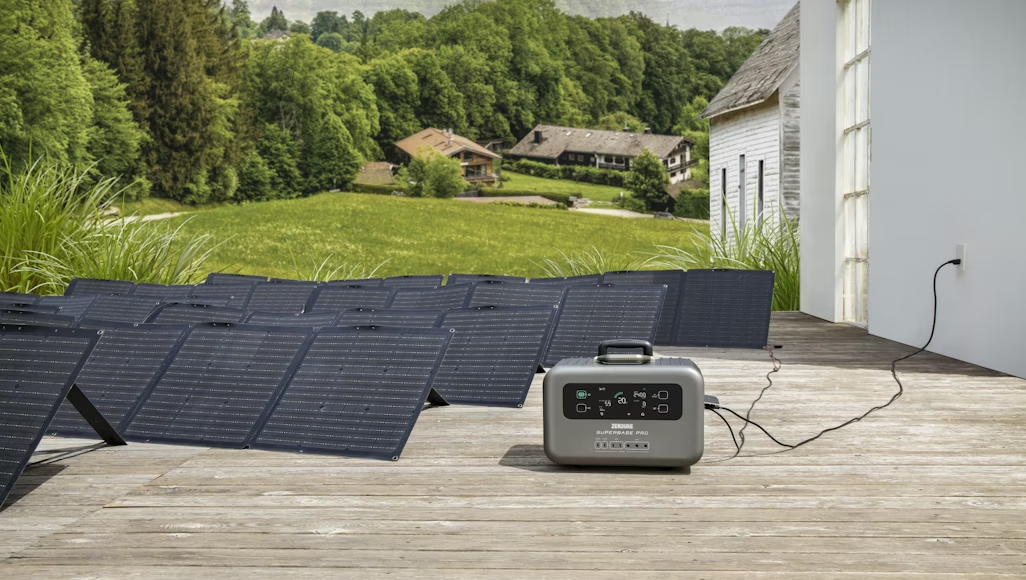
The question “why are people buying solar generators?” has surged as power reliability, energy costs, and emergency preparedness have become growing concerns. What was once considered niche equipment for campers or off-grid enthusiasts is now being purchased by everyday households looking for backup power options that feel safer and more sustainable.
This search reflects a shift in how people think about electricity.
Why This Question Keeps Trending
Power outages are becoming more visible and disruptive. Extreme weather events, aging infrastructure, and increased energy demand have made blackouts more common in many regions. Each outage reminds people how dependent daily life is on electricity.
Rising energy costs also contribute. Utility bills fluctuate, and fuel-powered generators require ongoing expense and maintenance. Solar generators promise a one-time investment with fewer long-term costs, making them attractive during periods of financial uncertainty.
Media coverage and word-of-mouth amplify interest. Stories about extended outages or emergency preparedness quickly trigger spikes in search as people look for ways to avoid being caught unprepared.
See Why Are Home Security Cameras Trending Now? for how home protection influences upgrades.
What People Expect Solar Generators to Do
Most buyers are not looking to power their entire home indefinitely. They want enough electricity to keep essentials running, such as phones, lights, medical devices, refrigeration, or internet equipment.
There’s also a safety motivation. Unlike gas generators, solar generators don’t produce fumes and can be used indoors. That perceived safety makes them especially appealing to families, apartment dwellers, and people without outdoor space.
Convenience matters too. Solar generators are quieter, easier to operate, and require less setup than traditional generators, reducing friction during stressful situations.
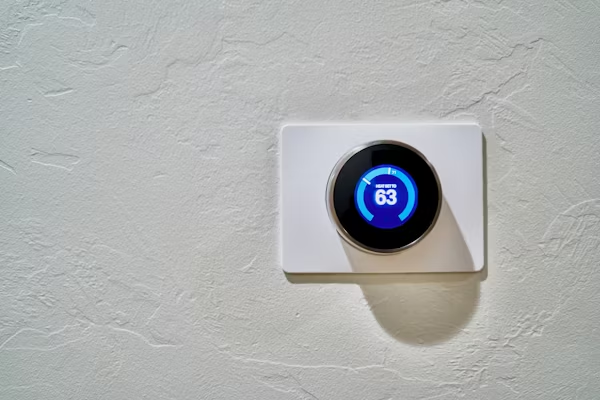
Explore Why Are People Buying Smart Thermostats? to see how automation helps control energy use.
When Solar Generators Make Sense
Solar generators make sense for people who experience frequent power outages or live in areas prone to storms, wildfires, or grid instability. Even limited backup power can significantly reduce disruption.
They’re also helpful for those who want portable power. Camping, RV travel, outdoor work, or temporary job sites all benefit from quiet, renewable electricity.
For people focused on sustainability, solar generators align with values. Using renewable energy, even on a small scale, feels like a step toward greater independence from fossil fuels.
Check out Why Are Heated Blankets Trending Again? to see how people cope with energy costs.
When They May Fall Short
Despite growing popularity, solar generators have limits. They generally can’t power high-demand appliances like central air conditioning or electric stoves for long periods.
Charging time depends on sunlight availability. In extended cloudy conditions, solar input may be limited, frustrating users who expect constant power.
Upfront cost is another consideration. High-capacity units can be expensive, and buyers may overestimate the power they actually need.
What People Are Really Responding To
At a deeper level, this search reflects anxiety about stability. Electricity underpins modern life, and losing it, even temporarily, creates vulnerability.
Solar generators represent control. They offer a way to prepare without relying on fuel availability or complex equipment, which feels reassuring during uncertain times.
The emotional appeal is as strong as the practical one.
To see how savings and safety drive buying behavior, read Why Are People Buying Air Purifiers Right Now?
How to Decide If a Solar Generator Is Worth It
Start by identifying which devices you truly need during a power outage. Matching generator capacity to realistic use cases prevents disappointment.
Consider portability, charging options, and battery size rather than marketing claims. A smaller, reliable unit may be more useful than a large one you rarely use.
The reason this question keeps trending is simple: people want reliable backup power without noise, fumes, or fuel dependency, and solar generators offer a compelling middle ground.