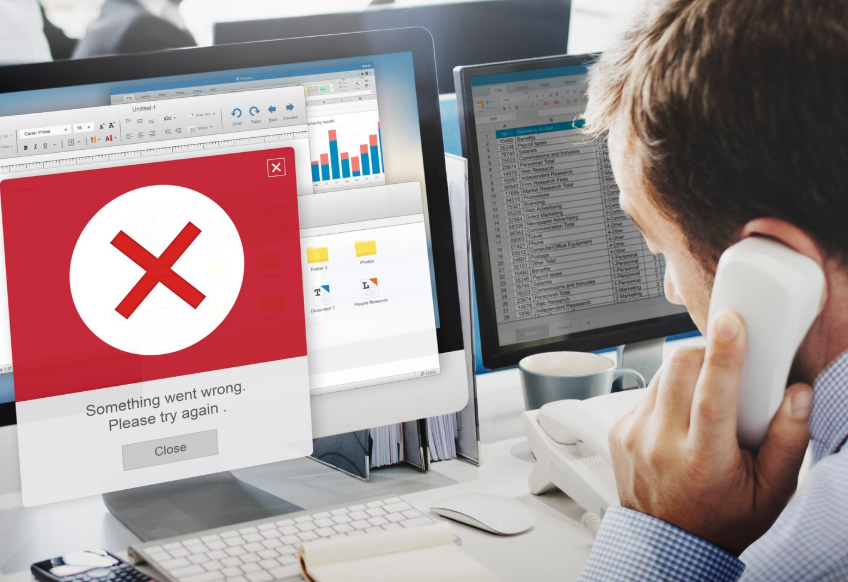

People want to know if an update will improve their experience, disrupt it, or alter how their device behaves.
The question “what does a software update actually change?” usually appears right after a device prompts for an update you didn’t plan for, especially when those software update changes could affect how everything works. Whether it’s a phone, computer, app, or smart device, updates often arrive with vague descriptions that leave users unsure what they’re agreeing to—or risking by postponing.
This search reflects a mix of curiosity and caution.
Why This Question Spikes After Updates
Software updates are frequent and unavoidable. Automatic updates, forced restarts, and persistent reminders make them hard to ignore, especially when timing feels inconvenient.
Update notes are often written for developers, not everyday users. Phrases like “performance improvements” or “bug fixes” don’t explain what actually changes, prompting people to search for clarity.
There’s also past experience. Many users remember updates that slowed devices, changed interfaces, or removed features. That history makes people cautious, even skeptical.
Explore What Happens When a Company Updates Its Terms of Service for similar forced-change anxiety.
What Software Updates Usually Change
Most updates fall into three categories: security, performance, and features. Security updates patch vulnerabilities that could be exploited, even if users never notice visible changes.
Performance updates aim to improve stability, fix crashes, or optimize resource usage. These changes may subtly affect speed, battery life, or responsiveness rather than delivering noticeable upgrades.
Feature updates introduce new tools, redesign interfaces, or modify existing functions. These are the most noticeable, and often the most polarizing, changes.
See What Does It Mean When an App Changes Its Privacy Settings? to understand hidden shifts.
What Happens If You Skip an Update
Skipping updates doesn’t usually cause immediate problems, but it can create long-term risks. Unpatched security vulnerabilities may leave devices exposed to threats.
Compatibility issues can also arise. Apps and services are built to work with updated systems, and outdated software may stop supporting new features or integrations.
That said, some users delay updates intentionally to avoid bugs or unwanted changes. This trade-off fuels repeated searches for reassurance before installing.
Review What Happens When My Credit Card Benefits Change for decision-making after quiet updates.
What People Are Really Worried About
At a deeper level, this search reflects a loss of control. Updates can feel imposed, changing familiar workflows without consent.
There’s also fear of degradation. Users worry that updates will slow older devices or push them toward upgrades.
People are searching to decide whether an update is beneficial—or something to approach cautiously.
When Updates Matter Most
Security updates deserve the highest priority, especially for devices used for banking, communication, or work. These updates protect against risks users can’t see.
Major feature updates warrant more attention. Reviewing summaries or waiting for early feedback can help avoid disruption.
For essential devices, timing matters. Installing updates when you have time to troubleshoot reduces stress if something changes unexpectedly.
Consider Is It Worth Upgrading My Phone or Waiting? to weigh updates versus replacement.
How to Approach Updates More Confidently
Before updating, glance at the release notes or independent summaries that explain changes in plain language. Understanding intent reduces anxiety.
Backups matter. Keeping data secure ensures updates feel reversible rather than risky.
The reason this question keeps trending is simple: software updates quietly shape how modern life functions, yet users rarely feel informed or empowered. Searching becomes a way to regain understanding before clicking “install.”