While price increases are often framed as minor or necessary, consumers instinctively want to understand the real impact on their budgets and purchasing power.
The question “what does a price increase actually mean for consumers?” spikes whenever companies announce higher prices, revised plans, or “adjusted” fees.
This search reflects a desire to decode corporate language. People aren’t just reacting to higher costs. They’re trying to figure out what’s changing, why it’s happening, and whether they should take action.
Why This Question Keeps Trending
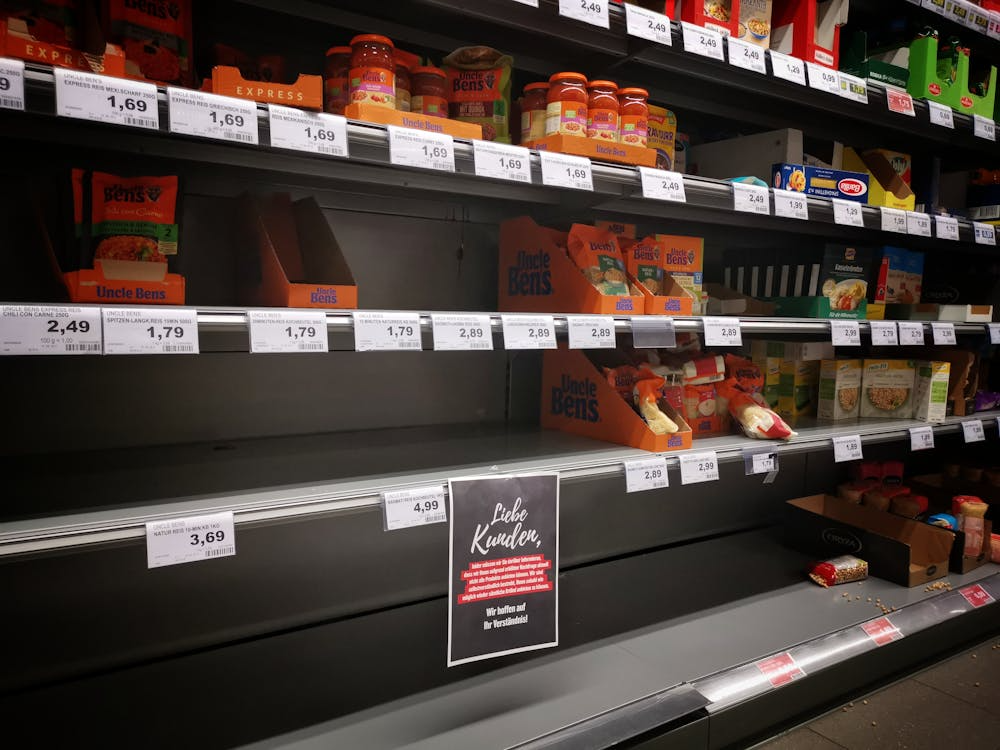
Price increases have become more frequent and more visible. Subscription services, utilities, insurance plans, and everyday goods all seem to adjust their prices regularly, creating the sense that costs are constantly creeping upward.
Corporate messaging also contributes to confusion. Terms like “pricing update,” “cost adjustment,” or “plan enhancement” often obscure the actual dollar impact, prompting consumers to seek plain-language explanations.
Economic pressure amplifies sensitivity. When budgets are tight, even small increases matter, making people more likely to seek clarity and reassurance.
Explore What Does a Product Recall Mean for Customers? when rising prices follow safety or quality issues.
What a Price Increase Usually Signals
In most cases, a price increase reflects rising costs somewhere in the supply chain, such as labor, materials, energy, or regulatory compliance. Companies pass these costs on to consumers to maintain margins.
Sometimes, an increase signals a shift in strategy. A business may be repositioning its product, phasing out lower-cost users, or steering customers toward premium tiers.
Not all increases are equal. Some are temporary or limited, while others establish a new baseline that compounds over time.
See What Happens When a Company Updates Its Terms of Service? when price changes come with new rules.
How Price Increases Affect Consumer Behavior
Price increases often trigger reassessment. Consumers compare alternatives, downgrade plans, or reduce usage to offset higher costs.
They can also change perception. A product once seen as affordable may suddenly feel overpriced, even if the increase is modest. That psychological shift matters as much as the financial one.
In some cases, price increases accelerate churn. Customers who were already dissatisfied may use the change as a tipping point to leave.
Check What Does It Mean When an App Changes Its Privacy Settings? when “free” products begin charging more.
What People Are Really Trying to Understand
At a deeper level, this search reflects concern about fairness and transparency. Consumers want to know whether the increase is justified or opportunistic.
There’s also fear of cumulative impact. One slight increase may be manageable, but repeated adjustments across multiple services can quickly strain budgets.
People are also asking whether they still have leverage, whether they can negotiate, switch, or opt out without penalty.
When a Price Increase Should Prompt Action
Price increases are worth scrutinizing when they outpace value. If you’re paying more without receiving meaningful benefits, it may be time to explore alternatives.
They’re also a signal to review usage. Paying for features you no longer need becomes more painful as costs rise.
In some cases, contacting the company can help. Retention offers or plan adjustments may be available, especially for long-term customers.
Read What Happens If My Bank Changes Its Policies? if fees or interest rates also increase.
How to Respond to Price Increases Thoughtfully
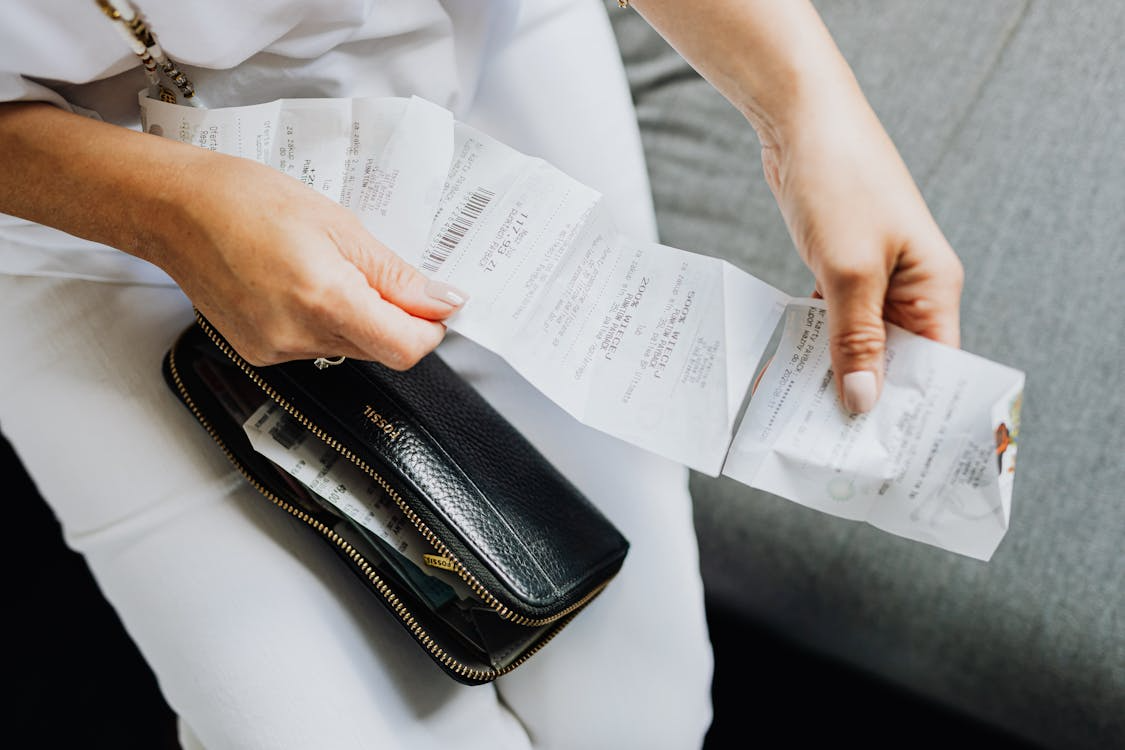
Start by calculating the real impact over time. A slight monthly increase adds up over the year, and understanding that number helps guide decisions.
Compare alternatives, but don’t rush. Switching costs, such as time, hassle, or lost benefits, also matter.
The reason this question keeps trending is simple: price increases feel personal, and consumers want to make sure they’re not quietly losing ground without realizing it.