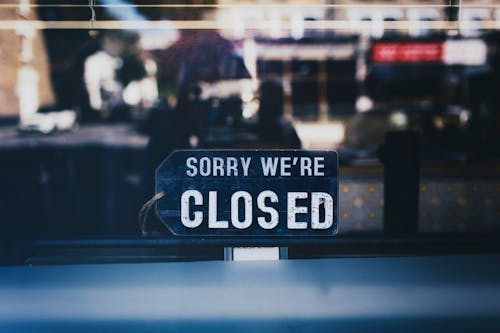
When physical stores close, customers wonder whether it’s a temporary shift or a sign of deeper trouble.
The question “what happens if my favorite store closes locations?” usually surfaces after headlines announce store closures or a familiar storefront suddenly goes dark. Even when a brand isn’t disappearing entirely, the loss of a local location can feel personal and unsettling. People want to know what it means for access, pricing, and the future of a brand they rely on.
This search reflects concern about stability.
Why This Question Spikes Suddenly
Retail closures often come in waves, driven by rising costs, changing shopping habits, or corporate restructuring. When one well-known brand announces closures, others frequently follow, amplifying concern.
News coverage and social media accelerate awareness. Photos of empty shelves or “closing soon” signs spread quickly, making closures feel more widespread than they may actually be.
Customers also notice practical disruptions. Losing a nearby store affects convenience, returns, repairs, and in-person service, prompting people to search for answers.
Explore What Happens When a Subscription Changes Its Pricing? to see how brands adjust customer relationships.
What Store Closures Usually Mean
In most cases, closing locations doesn’t mean a brand is going out of business. Companies often consolidate stores to reduce overhead while shifting focus to online sales or fewer, higher-performing locations.
Prices don’t usually change immediately, but promotions and clearance sales may appear during closure periods. These sales attract attention but don’t necessarily reflect a long-term pricing strategy.
Customer accounts, loyalty programs, and warranties typically remain valid, especially if the brand continues to operate online or through other channels.
To see how demand shifts supply, check out What Happens When a Product Goes Viral Overnight?
What Happens to Returns, Services, and Support
Returns and exchanges may become less convenient if in-store options disappear. Customers may need to rely on mail-in returns or travel farther to remaining locations.
Services tied to physical stores, such as repairs, fittings, or consultations, may be reduced or eliminated. Brands sometimes partner with third parties or redirect customers to centralized service centers.
Customer support usually shifts online or to call centers, which can feel less personal and slower for some shoppers.
What People Are Really Worried About
At a deeper level, this search reflects fear of loss. People worry about losing access to products they trust or services they depend on.
There’s also concern about quality and pricing. When stores close, customers often suspect cost-cutting that could affect product standards or support.
People are trying to determine whether loyalty still makes sense—or whether it’s time to find alternatives.
See Is It Better to Rent or Buy in My Area Right Now? for how access affects consumer choices.
When Store Closures Are a Red Flag
Closures deserve closer attention when shrinking product lines accompany them, when customer support is reduced, or when honoring warranties is difficult.
If online availability becomes inconsistent or communication declines, closures may signal broader instability.
However, many brands successfully transitioned to leaner retail models without disappearing entirely.
Read What Does ‘Limited Availability’ Actually Mean? to understand how scarcity affects decisions.
How to Respond as a Customer
If a favorite store closes, confirm how returns, warranties, and loyalty benefits are handled going forward. Knowing policies prevents surprises later.
Explore alternative locations or online options early, especially for essential or frequently purchased items.
The reason this question keeps trending is simple: physical stores represent reliability and connection. When they vanish, people search for reassurance that the brands they trust won’t disappear next.