
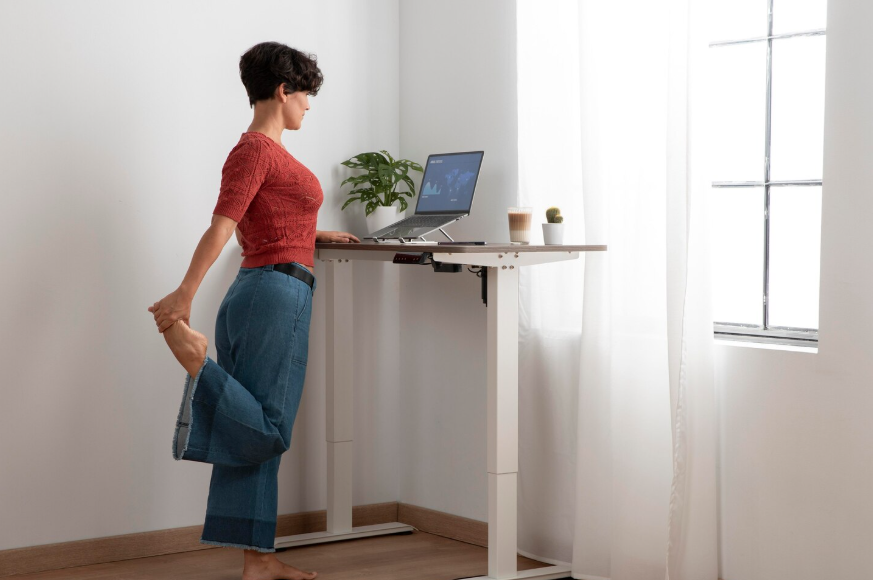
People aren’t waiting for pain or injury anymore; they’re looking for ways to reduce strain before it becomes unavoidable.
The question “Why are standing desks suddenly so popular?” keeps resurfacing as work habits and health awareness continue to evolve. As more people spend long hours at desks, both at home and in offices, concerns about sitting all day have moved from a niche to a mainstream concern. Standing desks are often presented as a simple fix to a modern problem.
This search reflects a broader shift toward preventative health choices.
Why This Question Keeps Trending
Remote and hybrid work have played a significant role. When people set up home offices, they become more aware of how much time they spend sitting. Without the natural movement of commuting or office routines, discomfort shows up faster.
Health messaging also fuels interest. Studies linking prolonged sitting to back pain, poor circulation, and reduced energy have been widely shared. Even when the research is nuanced, the takeaway feels urgent: sitting too much is bad.
There’s also increased accessibility. Standing desks are no longer niche or prohibitively expensive. With more models available at different price points, curiosity has grown alongside availability.
Explore Is Now a Good Time to Start a Side Hustle? for how people seek control over work, income, and energy.
What People Expect Standing Desks to Fix
Many people hope that standing desks will eliminate back pain and improve posture. The idea of standing feels more active and aligned with how bodies are “supposed” to move, especially compared to slouching in a chair all day.
Energy and focus are other draws. Some users report feeling more alert when standing, which appeals to people struggling with afternoon fatigue or concentration dips.
Standing desks are also seen as a productivity upgrade. The visual of a dynamic workspace suggests efficiency, even if the tangible benefits vary from person to person.
See Is Working From Home Still Worth It? for how remote work reshapes daily routines.
When Standing Desks Actually Help
Standing desks can be helpful when used correctly. Alternating between sitting and standing encourages movement and reduces static strain. This flexibility is often more beneficial than standing all day.
They’re handy for people who experience discomfort after long periods of sitting. Being able to change positions throughout the day can reduce stiffness and pressure on the lower back.
Standing desks also support healthier habits when paired with movement, such as short walks, stretching, or posture adjustments throughout the day.
Check out Why Are People Buying Smart Thermostats? for how small upgrades improve daily comfort.
When Standing Desks May Not Deliver Results
Standing desks aren’t a cure-all. Standing for long periods without moving can cause problems, including leg fatigue and joint strain. Some people swap one form of discomfort for another.
Desk ergonomics matter too. Poor desk height, monitor placement, or footwear can undermine any potential benefits. Without proper setup, a standing desk may create new issues.
There’s also an expectation mismatch. People sometimes expect dramatic health improvements, only to find the changes are subtle. That gap can lead to disappointment.
What People Are Really Responding To
At a deeper level, this search reflects a desire to feel better during the workday. People want control over how work affects their bodies, especially as screen time increases.
Standing desks symbolize proactive self-care. Even if the benefits are incremental, the act of changing the workspace feels empowering.
The popularity surge isn’t just about furniture. It’s about reclaiming comfort and agency in daily routines.
Read Why Are People Buying Solar Generators? to see how people invest in control and resilience.
How to Decide If a Standing Desk Is Right for You
Before buying, consider how you work. If you’re open to switching positions and adjusting habits, a standing desk may add value. If you prefer staying in one position for long stretches, it may not.
Starting with a desk converter or adjustable model can help test whether standing fits your routine. Comfort and flexibility matter more than standing duration.
The reason this question keeps trending is simple: people are spending more time at desks and want solutions that feel manageable rather than extreme.