For many users, app privacy settings changes feel abstract until something happens. When they do, people worry about what information is being collected, shared, or exposed, and whether they still have control over it.
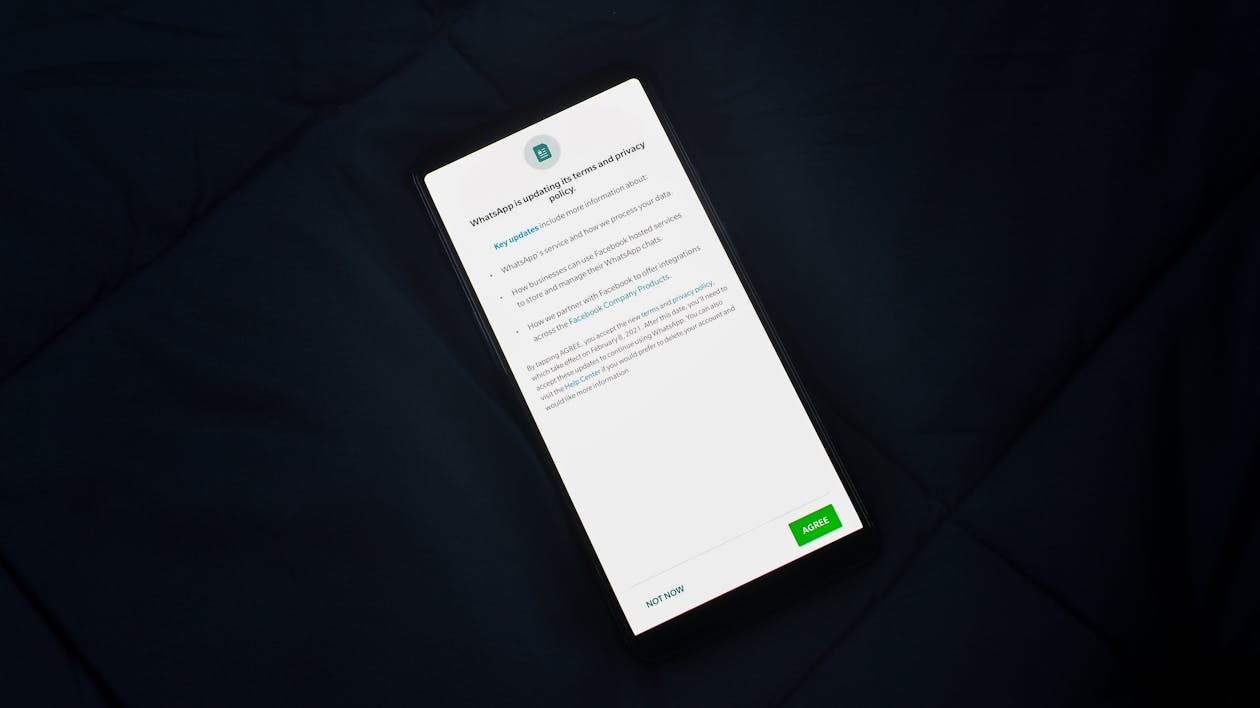
The question “What does it mean when an app changes its privacy settings?” often appears right after an update notification or an unfamiliar permission prompt.
This search reflects growing awareness that apps don’t just provide services; they manage access to personal data. Any change in that relationship triggers concern.
Why This Question Spikes Suddenly
Privacy setting changes often follow app updates, new features, or regulatory requirements. While these updates are routine from a developer’s perspective, they can feel intrusive to users when permissions or defaults shift.
Notifications are rarely specific. Messages like “we’ve updated our privacy settings” don’t explain what’s different, leaving users to assume the worst.
High-profile data breaches and privacy controversies have also made people more alert. Even legitimate updates are now met with skepticism.
Explore Why Do People Search ‘Is This Legit?’ So Often? to see how trust concerns drive user behavior.
What Changes to Privacy Settings Usually Mean
Most changes involve how data is collected, stored, or shared. This can include location access, usage tracking, ad personalization, or third-party integrations.
Sometimes changes clarify existing practices rather than introduce new ones. However, more precise language can still feel alarming if users weren’t previously aware of specific data uses.
In other cases, apps may request additional permissions to support new features, potentially expanding data access beyond what users originally agreed to.
Read What Does a Software Update Actually Change? to understand how technical updates alter user control.
What Happens If You Ignore the Change
In many cases, apps continue operating under the new settings by default. If you don’t review or adjust options, you may be consenting to broader data use than before.
Some apps prompt users to reconfirm preferences, but many rely on implied consent through continued use.
Ignoring changes doesn’t usually cause immediate harm, but it can lead to long-term data exposure without intentional agreement.
See What Happens When a Company Updates Its Terms of Service for how consent shifts quietly.
What People Are Really Worried About
At a deeper level, this search reflects a loss of trust. Users worry that privacy changes signal increased data sharing, tracking, or monetization.
There’s also concern about erosion over time. Minor changes may seem harmless individually, but repeated adjustments can gradually reduce privacy.
People want to know whether a change is cosmetic, required, or something that should prompt action.
When Privacy Changes Should Get Your Attention
Privacy updates deserve closer review when they involve location tracking, contact access, camera or microphone permissions, or third-party data sharing.
Changes affecting advertising personalization or data resale are also worth understanding, especially for apps used daily.
If an app is tied to sensitive information, such as health, finances, or communication, privacy changes matter more.
Consider Should I Switch Internet Providers This Year? when evaluating alternatives after privacy changes.
How to Respond Without Panic
Start by reviewing the app’s privacy summary or permission screen. Many apps now provide more precise breakdowns of what’s collected and why.
Adjust settings to match your comfort level. Turning off unnecessary permissions often has little impact on core functionality.
If changes feel excessive or unclear, uninstalling or switching apps is a valid response.
The reason this question keeps trending is simple: privacy settings define the boundary between convenience and control. When that boundary shifts, people want to know precisely what it means.