
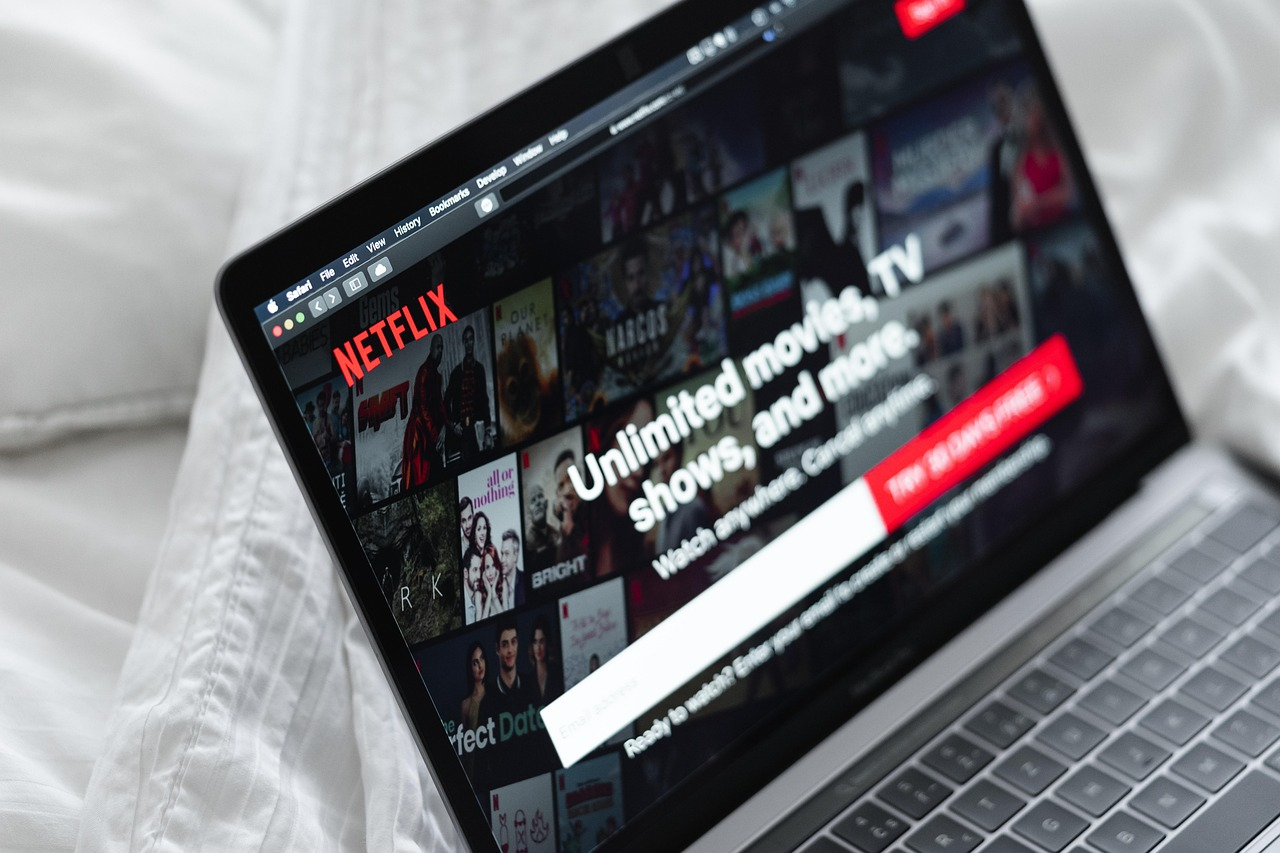
As more services rely on recurring billing, even a modest subscription price increase prompts closer scrutiny.
The question “what happens when a subscription changes its pricing?” usually appears after a brief email or in-app notice announces an upcoming increase.
Subscription pricing changes often feel small in isolation, but because they affect recurring expenses, they carry outsized emotional weight. People want to know whether they’re locked in, whether benefits have changed, and what options they actually have.
This search reflects a growing sensitivity to subscription fatigue.
Why This Question Spikes Suddenly
Subscription services frequently adjust pricing to account for rising costs, expanded features, or shifts in business strategy. These changes often arrive with little fanfare, framed as routine updates.
The timing matters. Pricing changes are commonly announced just before renewal periods, leaving users feeling rushed or pressured to decide whether to stay or go.
Because subscriptions are often “set and forget,” people may not notice how many they have until one becomes more expensive, triggering a broader reassessment.
Explore What Does a Price Increase Actually Mean for Consumers? to see how pricing shapes reactions.
What a Pricing Change Usually Means
In most cases, a pricing change means the cost of your current plan will increase on a specific date. Existing features may remain unchanged, or the company may bundle new ones to justify the increase.
Sometimes pricing changes are structural. A service may eliminate older tiers, introduce ads, or push users toward higher-priced plans. These changes affect how the service is experienced, not just how much it costs.
Importantly, pricing changes don’t usually apply retroactively. You’re charged the new rate going forward, not for past usage.
Compare What Happens When a Company Updates Its Terms of Service? to understand how terms shift.
What Happens If You Do Nothing
If you take no action, most subscriptions continue automatically at the new price. Continued use constitutes acceptance of the updated terms.
Some services allow users to keep legacy pricing for a limited time, but this is becoming less common. Automatic billing reduces friction for companies while increasing pressure on users to stay attentive.
That dynamic is why many people search to avoid quietly paying more without realizing it.
What People Are Really Concerned About
At a deeper level, this search reflects concern about value erosion. Users worry that costs will rise faster than benefits, turning once-affordable services into poor deals.
There’s also frustration with a lack of control. Pricing changes are unilateral, and opting out often means losing access entirely.
People are trying to decide whether a price increase is a fair adjustment—or a signal to cancel.
Consider Should I Cancel My Streaming Subscriptions? to reassess recurring costs.
When a Pricing Change Should Prompt Action
A price increase deserves attention when it pushes the service beyond your comfort zone or when usage no longer justifies the cost.
It’s also a good moment to review alternatives. Competitive services may offer similar features at lower prices, especially for new customers.
In some cases, contacting customer support can yield retention offers, discounts, or plan adjustments.
Also read Should I Pay Off Debt or Save Money? when deciding where rising subscription costs fit.
How to Respond Strategically
Start by calculating the annual impact of the increase. A few dollars a month can add up to a significant amount over time.
Review how often you use the service and which features you actually rely on. Downgrading or rotating plans may reduce subscription costs without eliminating access.
The reason this question keeps trending is simple: subscriptions multiply quietly, and pricing changes force people to confront whether each one still earns its place in their budget.