Recalls are meant to protect consumers, but the messaging can feel vague or alarming without context.
The question “what does a product recall mean for customers?” often appears after a news alert, email notice, or social media post warns that a familiar product may be unsafe. Even when recalls are described as “voluntary” or “limited,” they immediately raise concern. People want to know whether they’re at risk, what actions they’re expected to take, and how severe the issue really is.
This search reflects confusion as much as fear.
Why This Question Spikes Suddenly
Product recalls usually follow safety investigations, injury reports, or regulatory reviews. When a recall is announced, coverage spreads quickly, often without a detailed explanation of severity or scope.
Many consumers first learn about recalls indirectly, through headlines or shared posts, rather than official notices. That lack of clarity prompts people to seek straightforward answers.
There’s also recall fatigue. With frequent alerts across many product categories, people struggle to judge which recalls require immediate action and which are precautionary.
Explore What Does a Price Increase Actually Mean for Consumers? to see how recalls lead to higher replacement costs.
What a Product Recall Actually Means
A recall means the manufacturer or regulator has identified a potential safety issue. This could involve defects, contamination, incorrect labeling, or malfunction risks.
Not all recalls indicate imminent danger. Some are preventative, addressing low-probability risks before harm occurs. Others are more urgent, especially when injuries or serious hazards are involved.
Recalls typically outline specific actions: stop using the product, return it, repair it, or request a replacement or refund.
See What Happens When a Company Updates Its Terms of Service? to see how these changes affect refund rules.
What Customers Are Expected to Do
In most cases, customers are not legally required to act, but ignoring a recall can increase risk. Manufacturers rely on consumers to follow guidance to prevent harm.
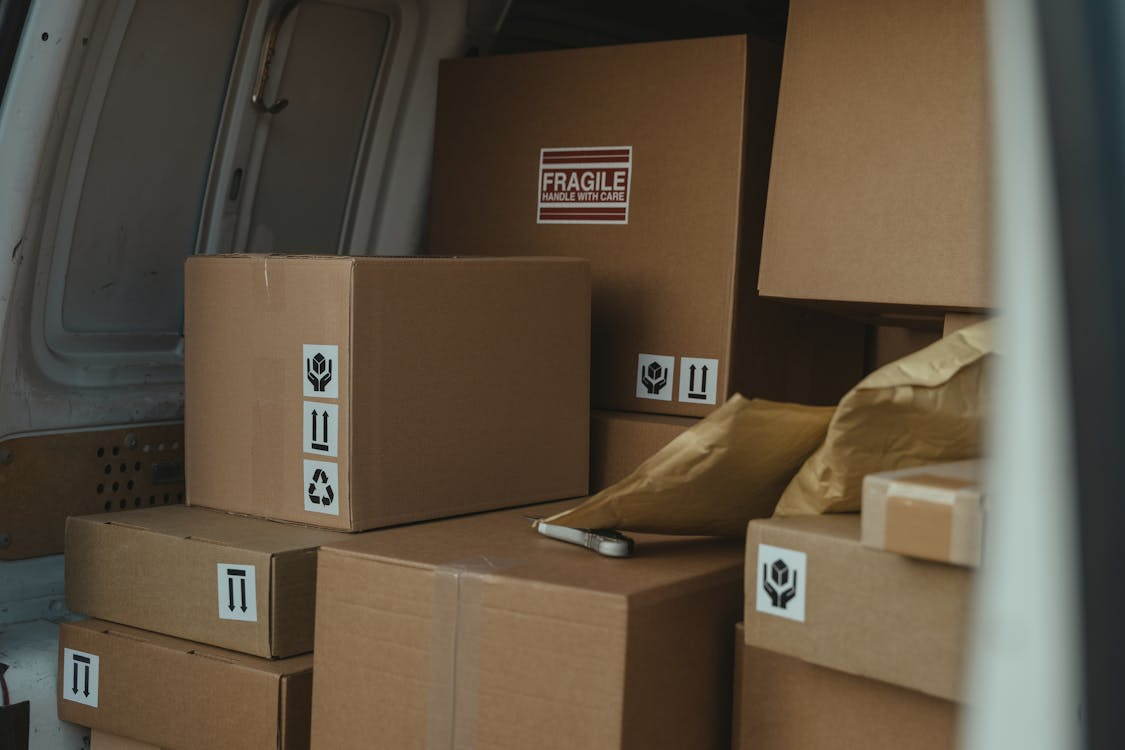
Instructions vary. Some recalls involve mailing parts, scheduling repairs, or visiting service centers. Others require the product to be disposed of or returned in its entirety.
Consumers are usually entitled to a remedy, such as a refund, repair, or replacement, depending on the nature of the recall.
Read Why Do People Search ‘Is This Legit?’ So Often? to know when recall emails look suspicious.
What People Are Really Worried About
At a deeper level, this search reflects fear of hidden danger. People worry they may have unknowingly used something unsafe or exposed family members to risk.
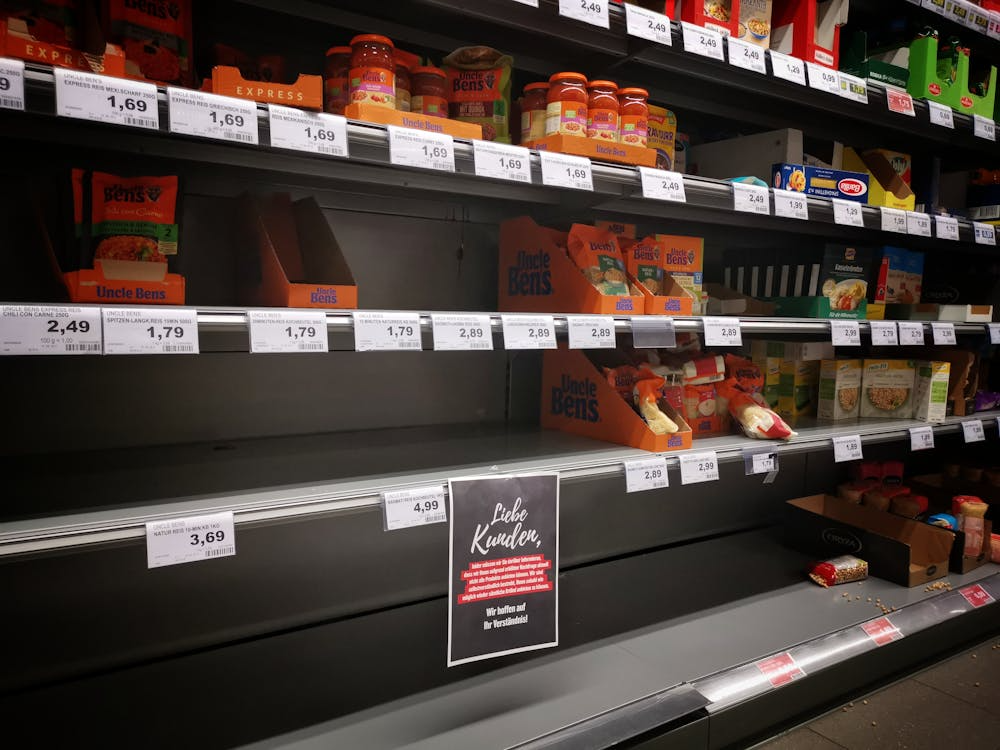
There’s also concern about inconvenience. Recalls disrupt routines and can feel burdensome, especially if recall replacements aren’t immediately available.
Trust plays a role, too. A recall can undermine a brand’s confidence, prompting people to question other products they own.
When a Recall Should Be Taken Seriously
Recalls involving fire hazards, choking risks, contamination, or medical issues deserve immediate attention. Products used by children, elderly individuals, or vulnerable populations warrant extra caution.
If a recall notice specifically names your model or batch number, action should be prompt.
Even low-risk recalls are worth addressing, as conditions can change or worsen over time.
Check What Happens When a Product Goes Viral Overnight? when recall news explodes online.
How to Respond Without Panic
Start by verifying details through official channels, such as manufacturer websites or regulatory agencies. Confirm whether your specific product is affected.
Follow the recommended steps and keep records of communication or remedies offered. Acting methodically reduces stress and ensures protection.
The reason this question keeps trending is simple: recalls sit at the intersection of safety and uncertainty. People search to understand whether a warning is a minor precaution or something that truly demands action.