Viral moments feel spontaneous, but their impact on consumers, companies, and markets is often chaotic and uneven.
The question “What happens when a product goes viral overnight?” tends to surge right after a familiar item suddenly appears everywhere: social media feeds, news stories, and sold-out notices.
People search because they want to understand what’s real, what’s hype, and what comes next.
This question isn’t just about popularity. It’s about how sudden attention changes availability, pricing, and trust almost instantly.
Why This Question Spikes So Quickly
Virality compresses time. What usually takes months of marketing exposure can happen in hours through a single post, influencer video, or news clip. When attention concentrates that fast, systems aren’t prepared.
Social platforms amplify urgency. Algorithms reward engagement, which pushes viral products into more feeds, making scarcity feel immediate and widespread.
Consumers also feel social pressure. Seeing a product everywhere creates a fear of missing out, prompting searches to determine whether buying now is a smart move or a mistake.
Explore Why Do People Search ‘Is This Legit?’ So Often? to see how hype affects trust.
What Typically Happens to the Product
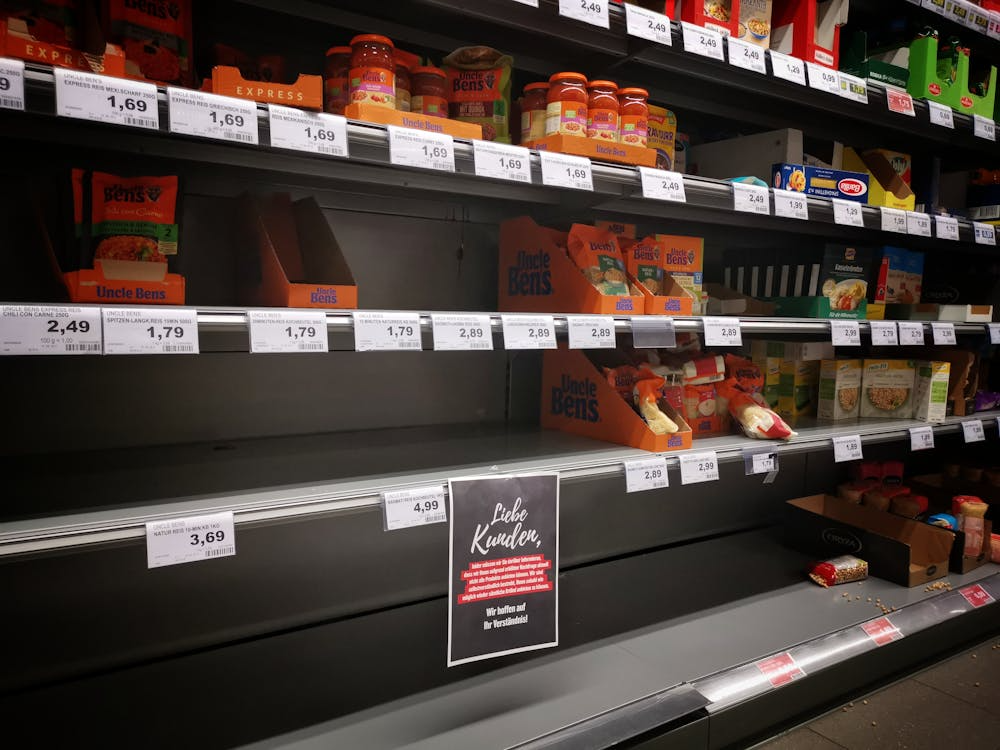
The most immediate effect is strain on inventory. Demand often outpaces supply, leading to sold-out listings, waitlists, or delayed shipping times. Even well-established brands struggle to restock quickly.
Pricing can shift rapidly. Some sellers raise prices in response to demand, while third-party resellers may list items at inflated rates. This creates confusion about what the product “should” cost.
Quality control can also suffer. In the rush to meet demand, manufacturers may cut corners, or counterfeit versions may flood marketplaces, further complicating buyer decisions.
Check out What Does ‘Limited Availability’ Actually Mean? to understand how scarcity influences buying.
How Companies Usually Respond
Brands caught off guard often scramble to scale. This may involve increasing production, renegotiating supply contracts, or temporarily limiting orders to manage expectations.
Marketing tone often changes as well. What began as organic buzz may be formalized into campaigns, endorsements, or official messaging to maintain momentum.
Some companies choose restraint instead, allowing demand to cool naturally to avoid long-term damage from rushed expansion.
What Happens to Consumers
For buyers, the experience can be frustrating. Products sell out quickly, shipping timelines stretch, and customer support becomes overwhelmed.
Expectations also shift. Viral products are often framed as transformative, which can lead to disappointment when real-world performance doesn’t live up to the online hype.
There’s also a risk of regret. Buying under urgency increases the chance of impulse purchases that don’t align with actual needs.
What People Are Really Trying to Understand
At a deeper level, this search reflects skepticism. People want to know whether a product is genuinely useful or just momentarily popular.
They’re also trying to gauge timing. Is it better to buy immediately, wait for restocks, or skip the trend entirely?
Consumers are searching for reassurance that they’re making a rational choice, not just following the crowd.
Read Is It Worth Upgrading My Phone or Waiting? for how hype affects timing decisions.
When Virality Signals Real Value
Some viral products solve a clear, common problem and retain popularity long after the initial surge. In these cases, virality accelerates awareness rather than distorting value.
Sustained availability, consistent reviews, and stable pricing are signs that a product has moved beyond hype.
When brands communicate transparently about restocks and limitations, trust tends to remain intact.
When It’s Mostly Hype
Other products fade quickly once attention shifts. In these cases, virality outpaces substance, and demand collapses as novelty wears off.
Warning signs include vague benefits, inconsistent quality, or heavy reliance on influencer promotion without real-world validation.
Don’t miss Why Are Blackout Curtains Trending? to see how some products become viral trends.
How to Respond as a Consumer
When a product goes viral, pausing is often the wisest move. Reading independent reviews and waiting for restocks can reveal whether demand was justified.
If the product truly fits your needs, it will likely still be available once the hype settles. If not, waiting saves money and frustration.
The reason this question keeps trending is simple: virality distorts perception. People search to separate genuine value from momentary noise before making decisions they’ll live with after the trend passes.