
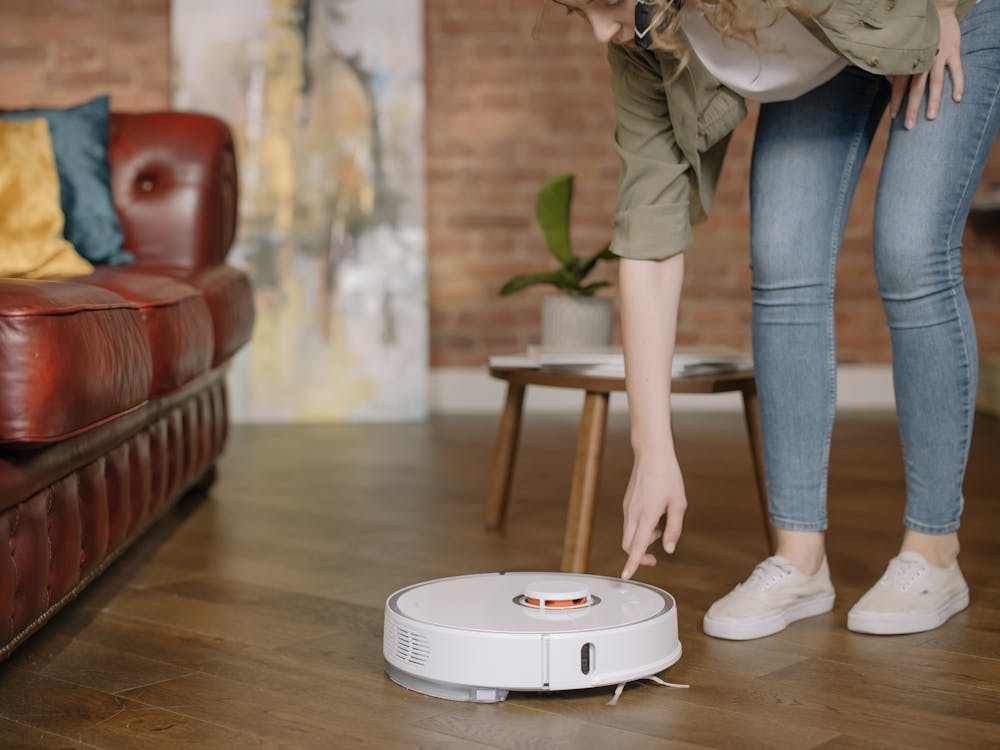
Robot vacuums promise consistency without effort, which makes them appealing long after their initial introduction.
The question “why are robot vacuums still trending?” keeps resurfacing because cleaning remains one of the most persistent household pain points. While robot vacuums have been around for years, interest hasn’t faded. Instead, it’s evolved as technology has improved and expectations have shifted from novelty to reliability.
This search often occurs after busy periods, lifestyle changes, or when keeping up with routine chores becomes unmanageable.
Why This Question Keeps Coming Back
Time scarcity is a major driver. As people juggle work, family, and personal obligations, cleaning falls lower on the priority list. Robot vacuums offer a way to maintain baseline cleanliness without dedicating time or energy.
Technology improvements also fuel renewed interest. Better navigation, more potent suction, more intelligent mapping, and app controls have addressed many early frustrations. People who dismissed robot vacuums years ago often search again to see if they’ve finally “gotten good.”
Pet ownership contributes as well. Pet hair is a constant challenge, and robot vacuums are marketed as a solution that handles daily shedding before it accumulates.
See Why Are Pressure Cookers Popular Again? for how time-saving tools regain popularity.
What People Expect Robot Vacuums to Do
Most buyers aren’t expecting perfection. They want floors that stay reasonably clean between deeper cleanings. Robot vacuums are seen as maintenance tools rather than replacements for traditional vacuums.
There’s also an expectation of automation. Scheduling cleanings while away from home or during off-hours appeals to people who want chores handled in the background.
For some, the appeal is psychological. Watching a routine task happen automatically can feel satisfying and reduce mental clutter.
Explore Why Are People Buying Smart Thermostats? to see how automation improves efficiency.
When Robot Vacuums Make Sense
Robot vacuums work best in homes with consistent layouts and minimal clutter. Hard floors, low-pile carpets, and open spaces allow them to perform more effectively.
They’re handy for daily debris, such as dust, crumbs, and pet hair. Running regularly can reduce the need for frequent manual vacuuming.
For busy households or people with mobility limitations, robot vacuums offer accessibility and consistency that manual cleaning may not.
Learn Why Are People Buying Air Purifiers Right Now? to see how convenience shapes purchases.
When They May Disappoint
Despite improvements, robot vacuums still have limits. They struggle with cords, small obstacles, stairs, and thick carpets. Homes with frequent floor clutter may require more prep than expected.
They also don’t replace home deep cleaning. Corners, edges, and heavily soiled areas often still need attention.
Maintenance is another consideration. Brushes, filters, and bins require regular care, which some users underestimate.
What People Are Really Responding To
At a deeper level, this search reflects fatigue with repetitive tasks. Cleaning never ends, and robot vacuums offer relief from at least one part of that cycle.
They also symbolize incremental automation; the small ways technology can improve daily life without significant disruption.
The sustained interest shows that people aren’t chasing novelty; they’re looking for dependable support.
Check Why Is Everyone Searching for Electric Bikes? to see how automation changes lifestyle.
How to Decide If One Is Worth It
Before buying, consider your floor layout, maintenance tolerance, and expectations. If you view a robot vacuum as a helper rather than a replacement, satisfaction is much more likely.
Reading recent reviews matters. Performance varies widely by model and environment, and newer features can make a meaningful difference.
The reason this question keeps trending is simple: people want cleaner homes with less effort, and robot vacuums continue to inch closer to delivering on that promise.